Skip to content
Aktualitások
Szakmai területek
Interkulturalitás
Globális nevelés
Migráció
Alkalmazott művészet
Társadalmi részvétel
Kiadványok
Szolgáltatásaink
Támogass
ENGLISH
Menu
Aktualitások
Szakmai területek
Interkulturalitás
Globális nevelés
Migráció
Alkalmazott művészet
Társadalmi részvétel
Kiadványok
Szolgáltatásaink
Támogass
ENGLISH
Főoldal
Aktualitások
Interkulturalitás
Globális nevelés
Migráció
Alkalmazott művészet
Társadalmi részvétel
Kiadványok
Szolgáltatásaink
Rólunk
Elérhetőségek
Támogass
ENGLISH
Menu
Főoldal
Aktualitások
Interkulturalitás
Globális nevelés
Migráció
Alkalmazott művészet
Társadalmi részvétel
Kiadványok
Szolgáltatásaink
Rólunk
Elérhetőségek
Támogass
ENGLISH
Minden helyzet interkulturális, ahol különböző kulturális háttérből vagy társadalmi osztályból érkező emberek találkoznak. Azért dolgozunk, hogy ezek a helyzetek a lehető legjobban működjenek.
Interkulturalitás
Migráció
Alkalmazott művészet
Globális nevelés
Társadalmi részvétel
AKTUALITÁSOK
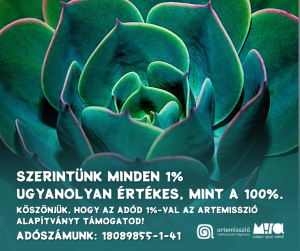
SEGÍTSD ADÓD 1%-VAL AZ ARTEMISSZIÓ MUNKÁJÁT!
“Meeting people from different cultures, listening to
A meta-készségek képzése – jó gyakorlatok gyűjteménye
Load More
TÁMOGATÓINK
EGYÜTTMŰKÖDŐ PARNEREINK